
If you’re dealing with lizards around your home, you might wonder whether repellents truly make a difference. Different options—from natural remedies like peppermint and garlic to commercial sprays and electronic devices—offer varying levels of effectiveness and safety. Your choice depends on factors such as how persistent the lizards are, potential risks to children or pets, and how much maintenance you’re willing to handle. But which approach aligns best with your needs?
Do Lizard Repellents Really Work?
Although many products claim to keep lizards at bay, their effectiveness varies widely depending on the active ingredients and application methods.
When you evaluate lizard repellent, you’ll find that some rely on strong odors or chemical compounds designed to disrupt lizard sensory receptors. However, scientific evidence supporting these claims is limited and often anecdotal.
Additionally, application consistency plays a crucial role—improper use can render even effective repellents useless. You should also consider environmental factors like temperature and humidity, which influence lizard behavior and repellent performance.
Ultimately, you can’t assume a product will work universally; trial and observation are necessary. By critically assessing product ingredients and usage, you can make informed decisions that align with your goal of maintaining freedom from unwanted lizards without unnecessary expense or effort.
Which Natural Lizard Repellents Are Safe and Effective?
When choosing natural lizard repellents, you need to focus on options backed by scientific studies or consistent anecdotal success to ensure both safety and effectiveness.
Essential oils like peppermint and eucalyptus have shown some repellant effects due to their strong scents, which lizards tend to avoid.
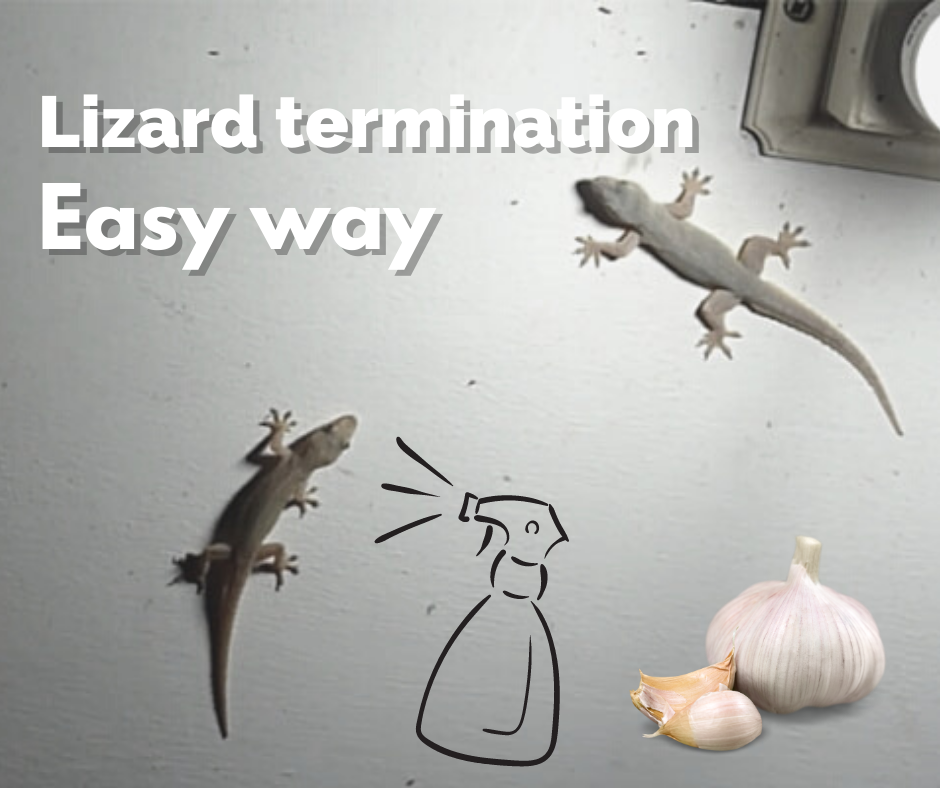
Garlic extracts also demonstrate deterrent properties, supported by both lab and field observations.
Additionally, natural substances like naphthalene-free mothballs can discourage lizard presence without harmful chemicals.
However, you should avoid unverified remedies, as their efficacy is often anecdotal and inconsistent.
Remember, natural repellents work best combined with habitat modification—removing food sources and shelter.
This approach respects your freedom to choose safe, eco-friendly options while effectively managing lizard activity through evidence-based methods.
What Do Commercial Lizard Repellent Sprays Offer?
Natural repellents offer a safe and eco-friendly way to discourage lizards, but you might find commercial lizard repellent sprays appealing for their convenience and targeted formulations.
These sprays often contain active ingredients like naphthalene, sulfur compounds, or essential oils scientifically selected to repel lizards by disrupting their sensory receptors. You can apply them quickly to entry points and common lizard habitats, providing immediate effects.
However, their efficacy varies depending on formulation and environmental conditions, requiring reapplication after rain or cleaning. While some sprays offer residual protection igreenasia, others act only as short-term deterrents.
Importantly, commercial sprays balance potency with user safety, though you should always check for potential toxicity, especially around children and pets. By understanding these factors, you can decide if commercial sprays align with your desire for effective, manageable lizard control.

Do Electronic Lizard Repellent Devices Actually Work?
Since electronic lizard repellent devices claim to use ultrasonic or electromagnetic waves to deter lizards, you might wonder how effective they truly are.
Research shows mixed results—while some users notice fewer lizards, scientific studies often find limited or inconsistent deterrent effects. Ultrasonic waves may not penetrate walls well, reducing coverage, and lizards might habituate over time, diminishing effectiveness. Electromagnetic signals lack strong evidence supporting their repellent properties.
Your experience can vary based on device quality, placement, and environmental factors. If you value freedom from chemical use and want a low-maintenance option, these devices offer a hands-off approach but don’t guarantee full lizard exclusion.
Weighing evidence helps you decide if electronic repellents fit your needs without relying on unproven claims or ineffective solutions.
How to Choose the Right Lizard Repellent for Your Home
Choosing the right lizard repellent for your home requires evaluating factors like effectiveness, safety, and convenience.
You’ll want a solution proven to deter lizards without harming your family or pets. Natural repellents with essential oils, such as peppermint or eucalyptus, offer safer options but may require frequent reapplication.
Chemical repellents often provide longer-lasting effects but carry potential health risks and environmental concerns. Electronic devices vary widely in efficacy; scientific evidence supporting their success is limited.
Consider your home’s layout and lizard activity to select a repellent that fits your lifestyle. Prioritize products with clear instructions and positive user reviews.
Conclusion
You’ll find lizard repellents can be worth it if you match them to your goals and context. Natural options like peppermint or eucalyptus work best short-term and with habitat changes. Commercial sprays offer stronger effects but need careful use around kids and pets. Electronic devices are convenient but inconsistent. Ultimately, effectiveness depends on the product, how you apply it, and your environment. Choose based on safety, convenience, and reliable user feedback for the best results.